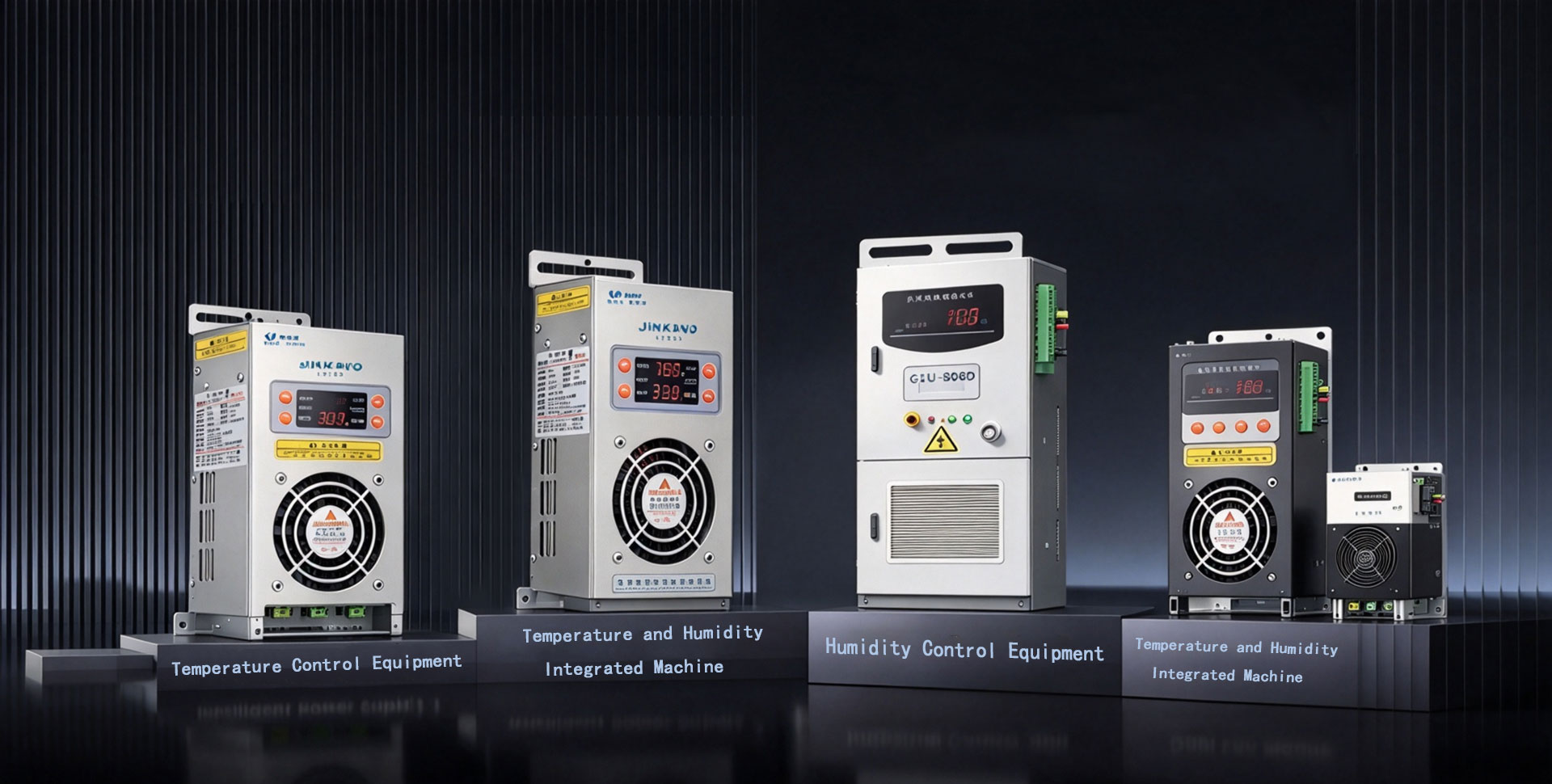
In the pharmaceutical industry, air humidity control is directly linked to drug quality and safety. Excessive humidity can cause drugs to absorb moisture and lose efficacy, while humidity that is too low can lead to static electricity and process instability. As essential temperature and humidity control equipment for pharmaceutical plants, industrial dehumidifiers effectively ensure that production environments meet GMP certification requirements. This article takes an in-depth look at the application value, core advantages, and selection points of industrial dehumidifiers in pharmaceutical plants, and offers practical guidance based on a real case.
Pharmaceutical workshops are extremely environmentally sensitive spaces, and air humidity directly affects drug safety and effectiveness. The main problems include:
Moisture absorption and drug deterioration: Tablets, powders, capsules, and similar products absorb moisture very easily, leading to reduced hardness, loss of efficacy, or even scrapping.
Microbial growth: When humidity exceeds 65%, mold and bacteria multiply rapidly, compromising drug purity.
Equipment corrosion: Damp air accelerates oxidation and corrosion of stainless steel, iron, and other components, shortening equipment life.
GMP non-compliance: Good Manufacturing Practice regulations explicitly require environmental humidity to be kept within a reasonable range.
Therefore, installing industrial dehumidifiers is not only a requirement for improving drug quality but also a necessary condition for passing certification and ensuring production safety.
Precise humidity control: Stabilizes ambient humidity at 40%–60% to meet pharmaceutical standards.
Continuous, stable operation: Supports uninterrupted operation 365 days a year, suited to 24-hour pharmaceutical production.
Energy-efficient performance: Uses inverter compressors that intelligently match the dehumidification load to reduce power consumption.
Clean air: Some models come with high-efficiency filters to prevent airborne particles from entering cleanrooms.
Smart monitoring: Supports remote control and alarm notifications to keep processes running without interruption.
Key Points for Selecting Industrial Dehumidifiers for Pharmaceutical Plants
1. Calculate Dehumidification Capacity Based on Space Volume
Common formula: Dehumidification capacity (L/D) ≈ Space volume (m³) × Moisture load coefficient × Humidity difference
For example: a workshop with an area of 200 m² and a height of 4 m has a volume of 800 m³. To lower humidity from 80% to 55%, an industrial dehumidifier of approximately 120 L/D is required.
2. Consider Process Requirements
Capsule workshops: humidity must be ≤55%
Oral liquid workshops: humidity maintained at 45%–60%
Freeze-dried powder workshops: stricter humidity requirements that call for a professional dehumidification solution
3. Consider Cleanliness Class
Cleanrooms require dehumidifiers with filtration devices or used in conjunction with air purification systems.
4. Operating Environment and Noise Control
Some workshops require low-noise operation, so silent-type industrial dehumidifiers are recommended.
5. Explosion Protection for Special Areas
Production areas involving flammable and explosive raw materials must use explosion-proof dehumidifiers that comply with international explosion-proof standards.
Standard industrial dehumidifiers: Suitable for most pharmaceutical workshops.
Explosion-proof dehumidifiers: Designed for workshops handling hazardous raw materials, compliant with the Ex db ib mb IIB T4 Gb standard.
Constant temperature and humidity units: For high-precision workshops that require both temperature and humidity control.
Smart integrated control system: Supports integration with BMS for centralized remote management.
Case study: A capsule workshop at a pharmaceutical plant, with an area of 200 m² and a height of 4 m, was equipped with a Zhongyou 120 L/D industrial dehumidifier. Humidity stabilized at 55%, and the efficiency of passing GMP certification improved significantly.
Industrial dehumidifiers are essential equipment for pharmaceutical plants to ensure drug quality and comply with GMP certification. Scientific selection not only reduces losses but also improves production efficiency. If you are looking for dehumidifiers designed for pharmaceutical plants, please contact Zhuzhou Gongchuang for a customized solution.