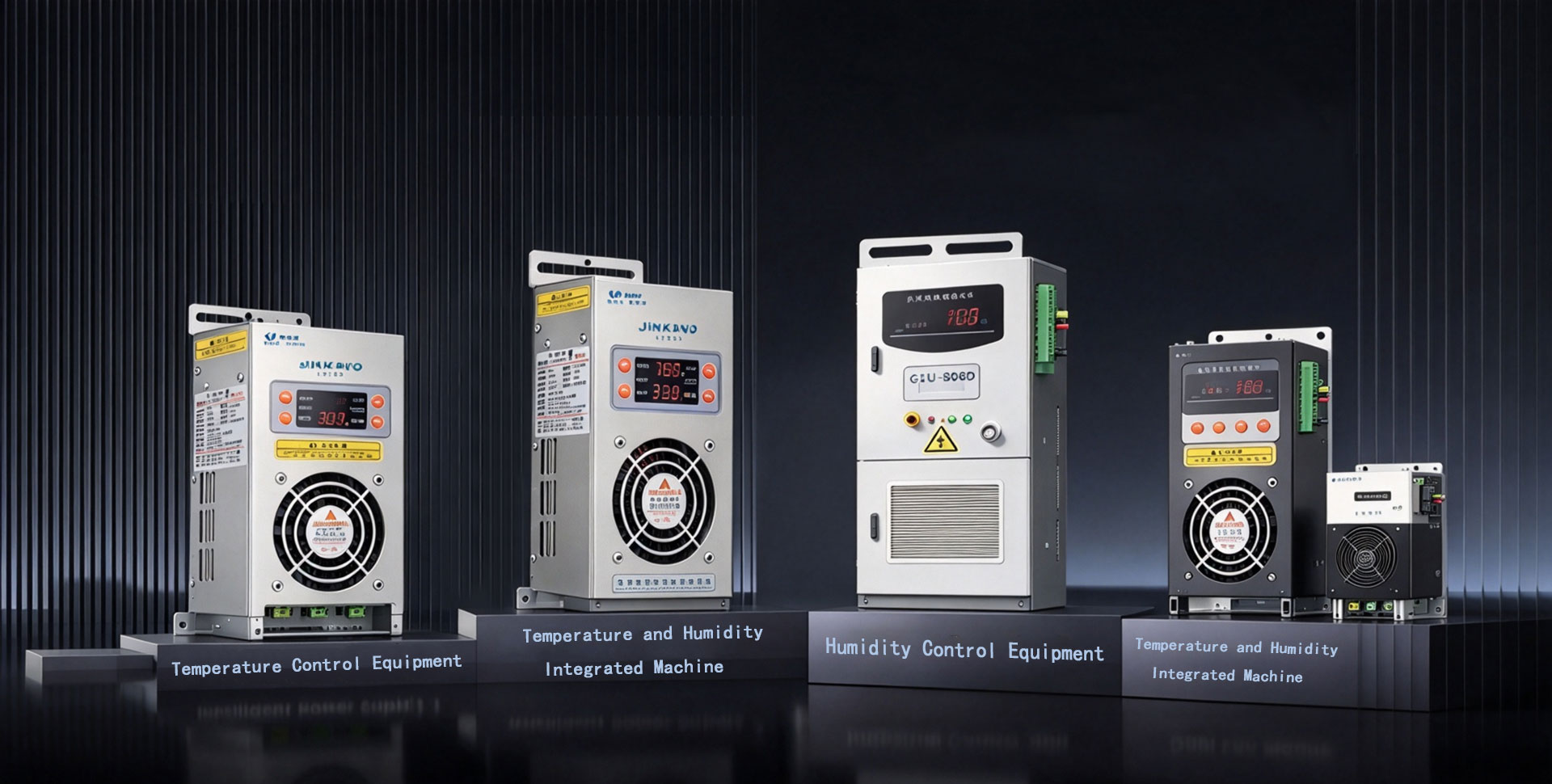
In the power industry, equipment stability and safety are of paramount importance. Although power equipment is designed and manufactured to high standards, humidity is often overlooked and becomes a hidden cause of equipment damage. An overly humid environment not only affects the normal operation of equipment but can also set off a chain reaction, increasing maintenance costs and the risk of downtime for businesses. So how can humidity problems be tackled effectively to keep power equipment running reliably over the long term? The answer may lie in the dehumidifier.
Humidity problems in the power industry commonly occur in equipment rooms, substations, power distribution rooms, and similar facilities. Due to insufficient ventilation or high ambient humidity, damp air easily builds up in these spaces, and moisture that accumulates over time poses a serious threat to power equipment.
Equipment corrosion: Moisture accelerates rusting of metal components on the surface of electrical equipment, affecting electrical contacts and even causing complete equipment failure.
Reduced insulation performance: In high-humidity environments, the insulation materials of power equipment easily absorb moisture, lowering insulation performance and increasing the risk of electrical faults.
Equipment failure: Moisture that penetrates equipment can cause short circuits, damp circuit boards, and other problems, leading to equipment downtime and affecting the stability of the power supply.
It is clear that, for the power industry, humidity is not only a hazard to equipment service life but also a potential threat to safety and operational efficiency.
Solving humidity problems is not difficult, and the dehumidifier serves as the “guardian” of the power industry. By efficiently absorbing moisture, it removes excess humidity from the environment, effectively reducing humidity-related risks and protecting the long-term stable operation of equipment. Specifically, dehumidifiers play the following roles in the power industry:
Reducing equipment damage and extending service life: The core function of a dehumidifier is to control ambient humidity and prevent damp air from harming power equipment. By maintaining a stable humidity range, it reduces moisture buildup on the surface and inside of equipment, extending the service life of power equipment.
Improving system stability and lowering failure rates: Excessive moisture not only causes equipment corrosion but can also affect the insulation of power equipment, increasing the risk of electrical faults. With a dehumidifier, humidity is effectively controlled and equipment stability is ensured, reducing failure rates and improving the reliability of the entire power system.
Saving maintenance costs and reducing downtime: Equipment failures caused by high humidity often mean costly repairs and replacements. Dehumidifiers effectively reduce such damage, cut down on equipment outages caused by moisture, save on repair costs, and ensure continuous system operation.
Choosing the Right Dehumidifier for Worry-Free Power Equipment Operation
Choosing the right dehumidifier is not a simple matter. In the power industry, dehumidifier selection requires comprehensive consideration of equipment performance, environmental adaptability, and operating efficiency. The following are the key factors to focus on when choosing a dehumidifier:
Dehumidification capacity: The dehumidifier’s capacity must match the actual humidity level of the site and the needs of the equipment, ensuring it can reduce moisture quickly and effectively within a suitable time.
High-temperature and corrosion resistance: Working environments in the power industry are often special, so it is necessary to choose dehumidifiers with high-temperature and corrosion resistance to ensure stable, long-term operation even in harsh conditions.
Intelligent control system: Smart dehumidifiers offer automatic humidity adjustment, remote monitoring, intelligent alarms, and other functions that improve equipment management efficiency and ease of use.
Energy-saving performance: Energy-saving dehumidifiers effectively reduce energy consumption, bringing long-term cost savings to businesses.
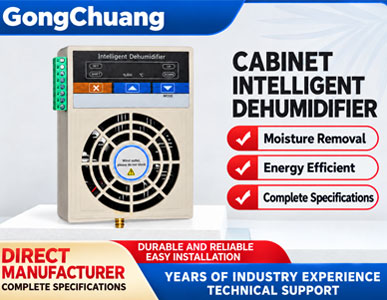
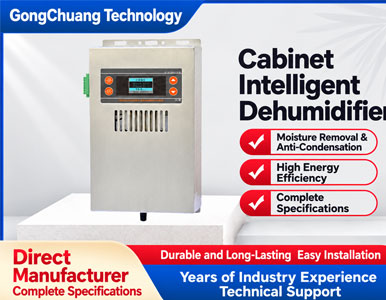
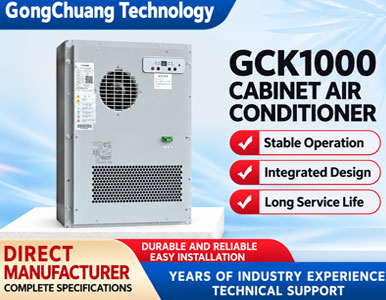
Humidity problems in the power industry may seem minor, but they can bring enormous risks and losses. Proper use of dehumidifiers can effectively reduce the harm humidity does to power equipment and improve system stability and safety. Whether in equipment rooms, substations, or power distribution rooms, dehumidifiers provide the most reliable protection for power equipment, ensuring stable operation and bringing greater benefits and security to businesses.