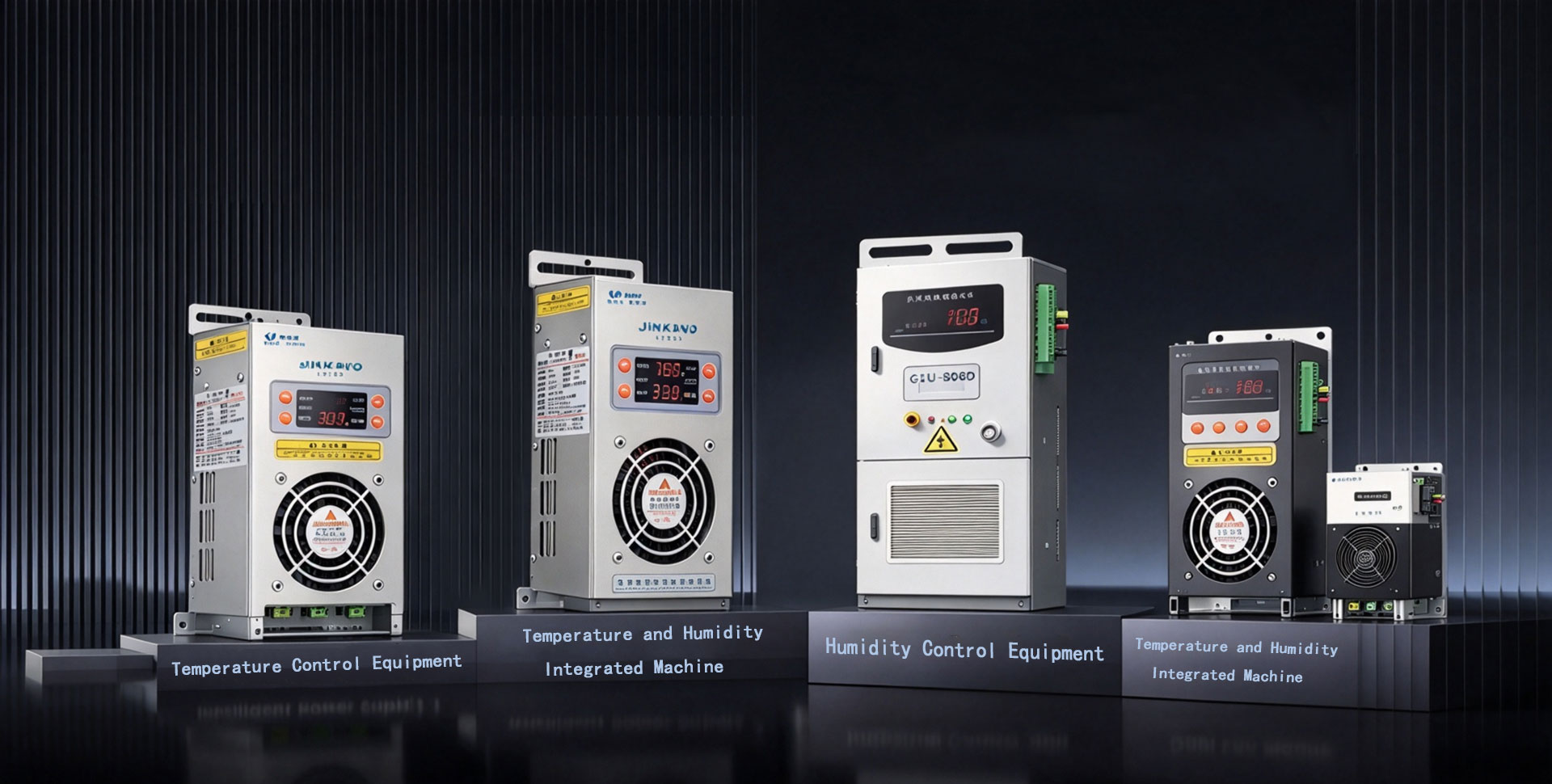
Production environments in the chemical industry usually have strict requirements for air humidity. Many chemical raw materials and finished products are highly sensitive to moisture, and excessive humidity can cause raw materials to cake or deteriorate, or lead to abnormal chemical reactions, which in turn affects the quality of the final product. Damp environments can also cause surface corrosion of equipment, short circuits in electrical systems, and other problems, increasing maintenance costs and safety hazards. Industrial dehumidifiers help maintain a stable production environment by lowering air humidity, thereby avoiding these potential risks.
Below, I will explain the applications and roles of industrial dehumidifiers in the chemical industry from several aspects.
In the chemical industry, many raw materials and finished products need to be stored in a dry environment to prevent them from absorbing moisture and deteriorating. For example, some powdered chemicals tend to cake in high-temperature, high-humidity environments, affecting their performance. Industrial dehumidifiers can operate in warehouses or tank storage areas to keep air humidity within a suitable range, extending the shelf life of raw materials and finished products and reducing losses.
In some chemical production processes, changes in humidity can directly affect reaction rates and product consistency. For example, in the production of synthetic resins or coatings, excessive humidity may cause surface defects or reduced performance. Industrial dehumidifiers can provide a stable low-humidity environment for production lines, ensuring consistent process parameters and thereby improving product quality.
Chemical production equipment usually includes precision instruments and metal components, which are prone to rust or corrosion after prolonged exposure to damp environments. This not only shortens equipment service life but can also lead to breakdowns. By lowering ambient humidity, industrial dehumidifiers reduce the erosion of equipment by water vapor, helping to extend equipment life and lower repair frequency and costs.
Damp environments can sometimes increase the risks posed by certain chemicals. For example, some substances may release harmful gases or undergo unexpected reactions when exposed to moisture. Industrial dehumidifiers help maintain a dry environment, reducing such safety hazards and providing safer working conditions for employees.
Modern industrial dehumidifiers usually have a high energy efficiency ratio, achieving humidity control with relatively low energy consumption. For chemical companies, proper use of dehumidifiers can not only reduce scrap and downtime losses caused by humidity problems but also lower overall operating costs to a certain extent. In the long run, it is a facility well worth investing in.


In summary, industrial dehumidifiers play multiple roles in the chemical industry. From storage to production, equipment maintenance, and safety assurance, all depend on effective humidity management. As the editor, I believe chemical companies should choose suitable dehumidification equipment based on their own production environments and needs, and maintain it regularly to ensure proper operation. I hope today’s article helps everyone better understand the importance of this equipment.